
9Velo Extreme Ultralightweight
The cycling industry has become exceptionally good at selling very ordinary products with increasingly theatrical marketing.
Every year there is another “revolutionary” wheelset launched with dramatic claims about aerodynamics, stiffness, compliance, rolling efficiency, vibration reduction or some other fashionable buzzword that usually collapses under even mild technical scrutiny. The recipe is almost always identical. A wheel manufacturer discovers a new way to describe an entirely conventional carbon rim, attaches an eye watering price tag to it and then pays a collection of influencers and underfed cyclists in Girona to explain why it “changes the ride feel”.
Underneath all of this nonsense, the engineering itself is often fairly mediocre.
That is what makes the 9Velo Xtreme wheelset so unusual.
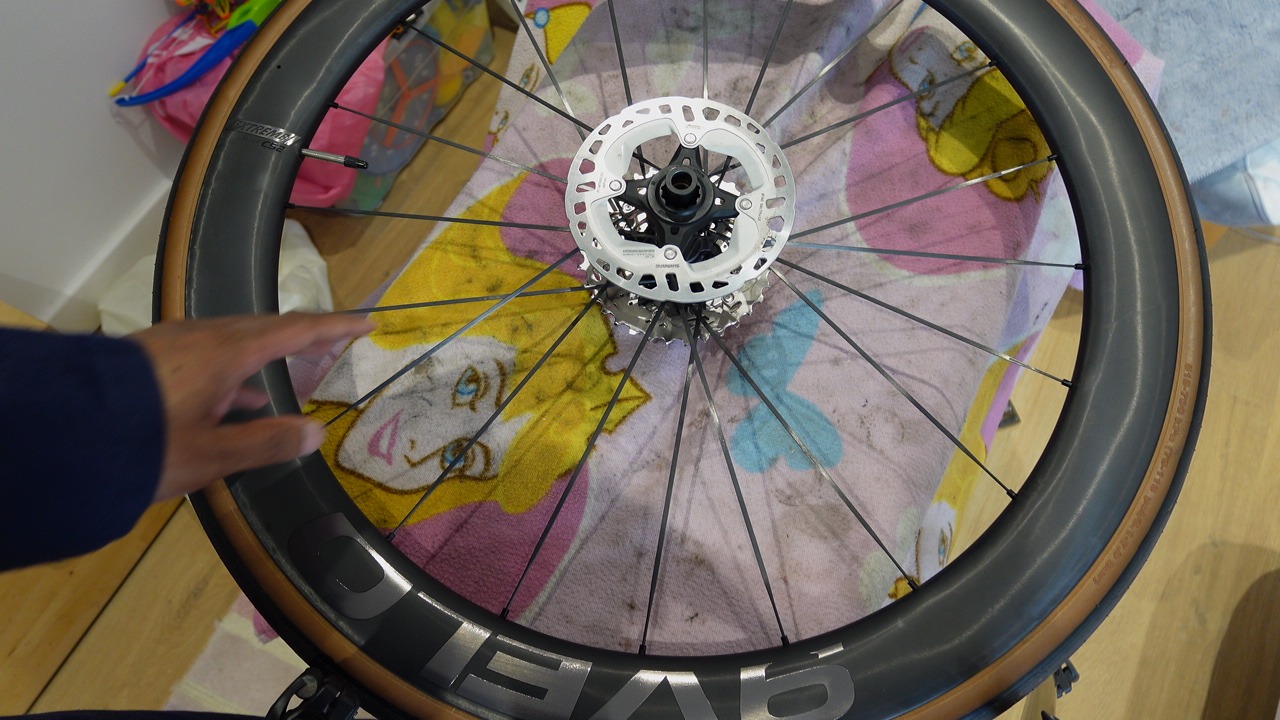
At 985 grams, this wheelset immediately sounds like something that should not exist. Historically, whenever wheel manufacturers have attempted to push weight this low, the result has usually been compromised in multiple areas. The wheel becomes too flexible, the aerodynamic performance deteriorates, the balance quality suffers or the durability becomes questionable. In many cases the wheel simply becomes unpleasant to ride because the reduction in mass introduces rotor dynamic issues that the manufacturer either does not understand or chooses to ignore.
The 9Velo Xtreme manages to avoid most of these problems.
That is the genuinely impressive part here. The low weight is interesting, but the engineering execution is what matters.
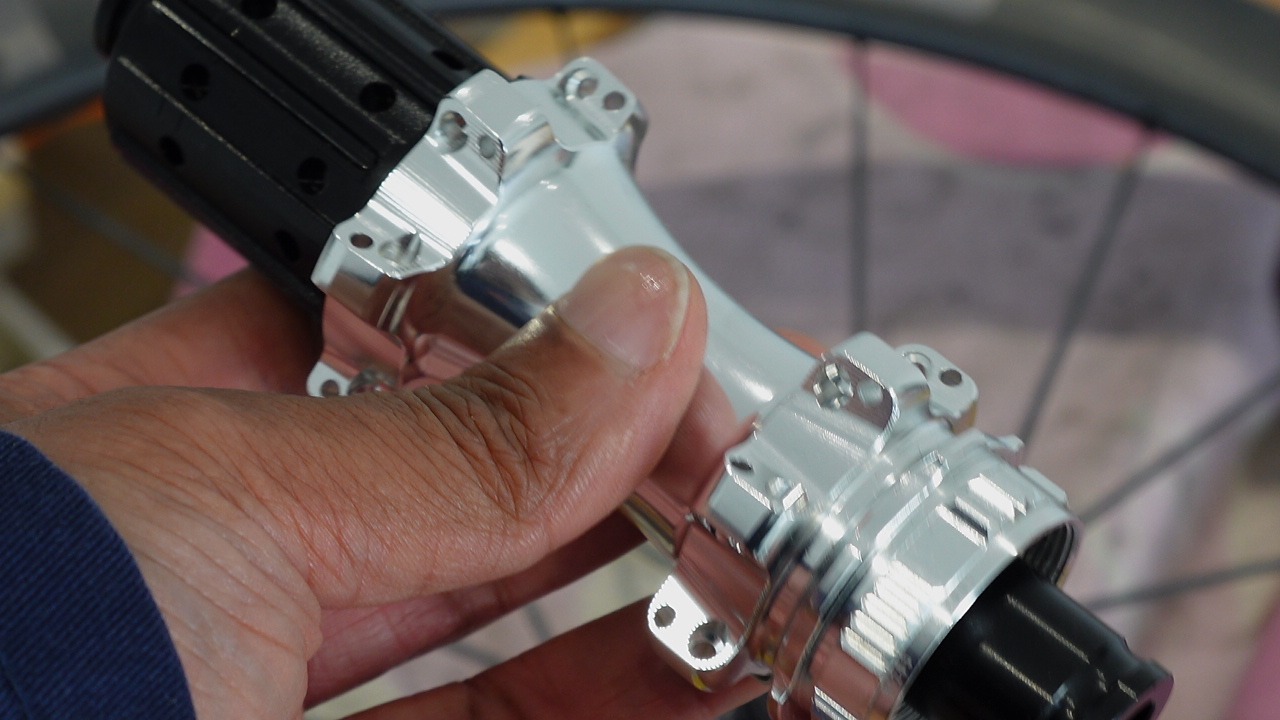
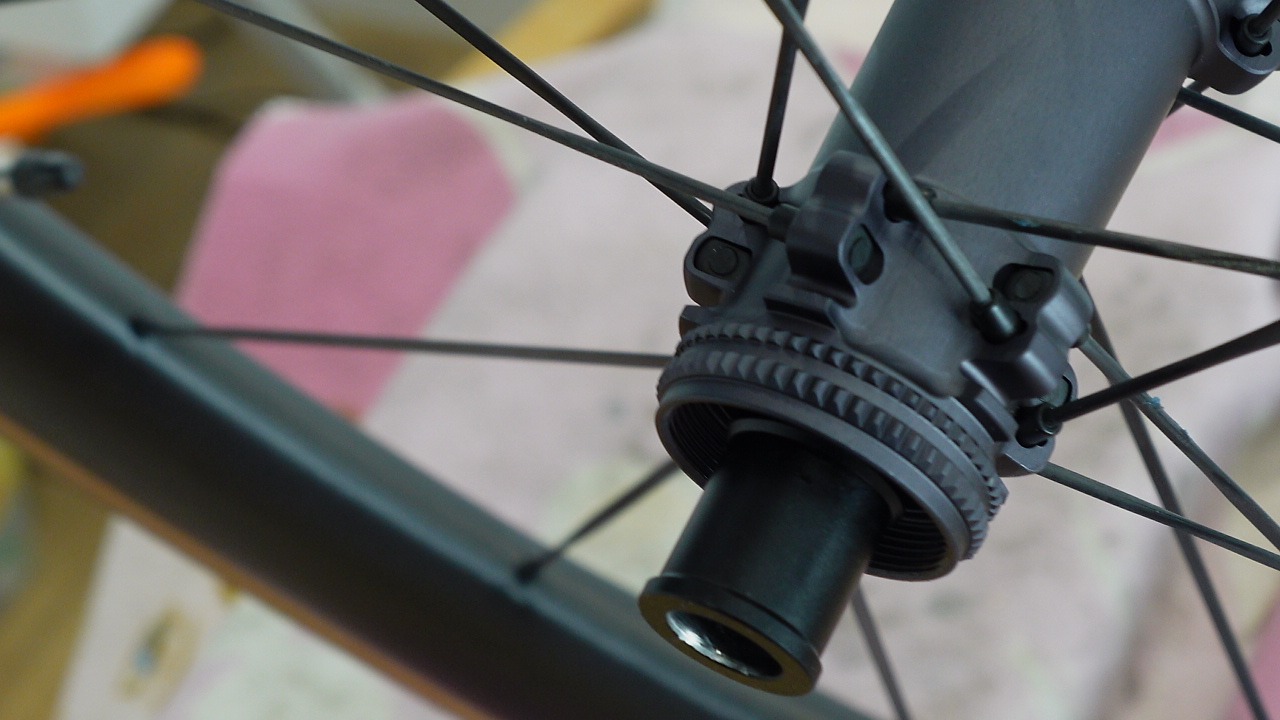
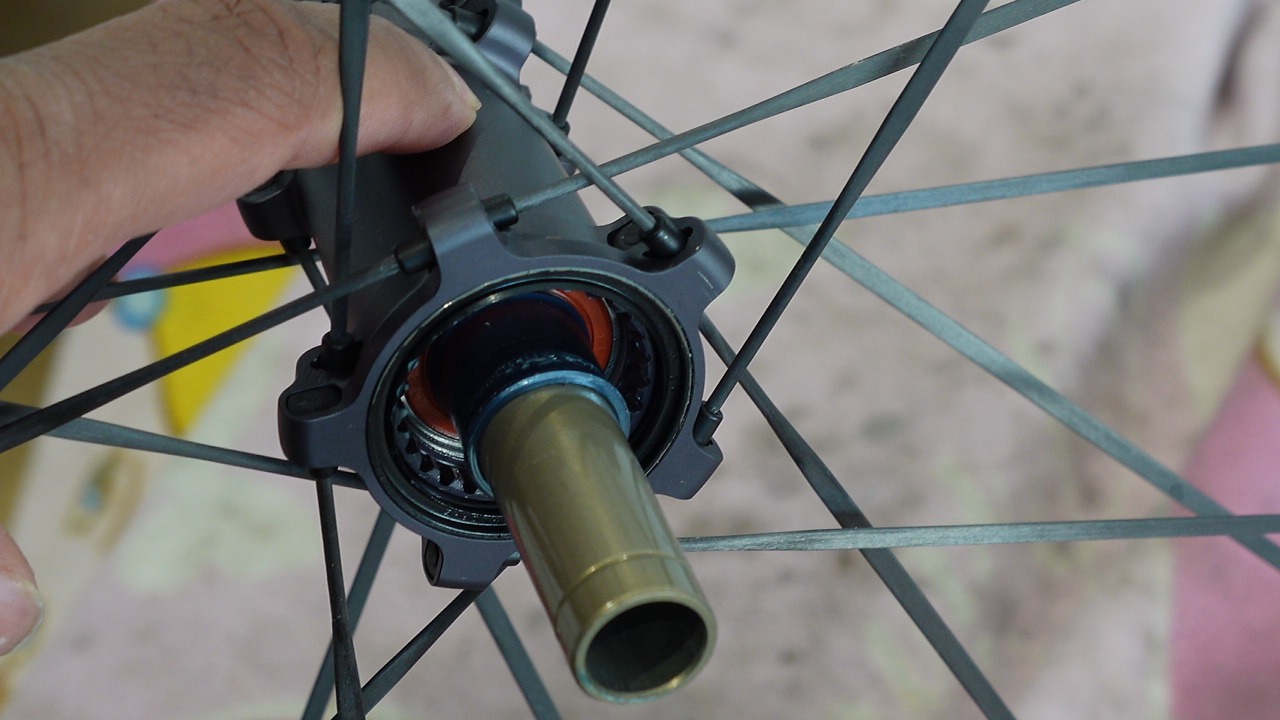
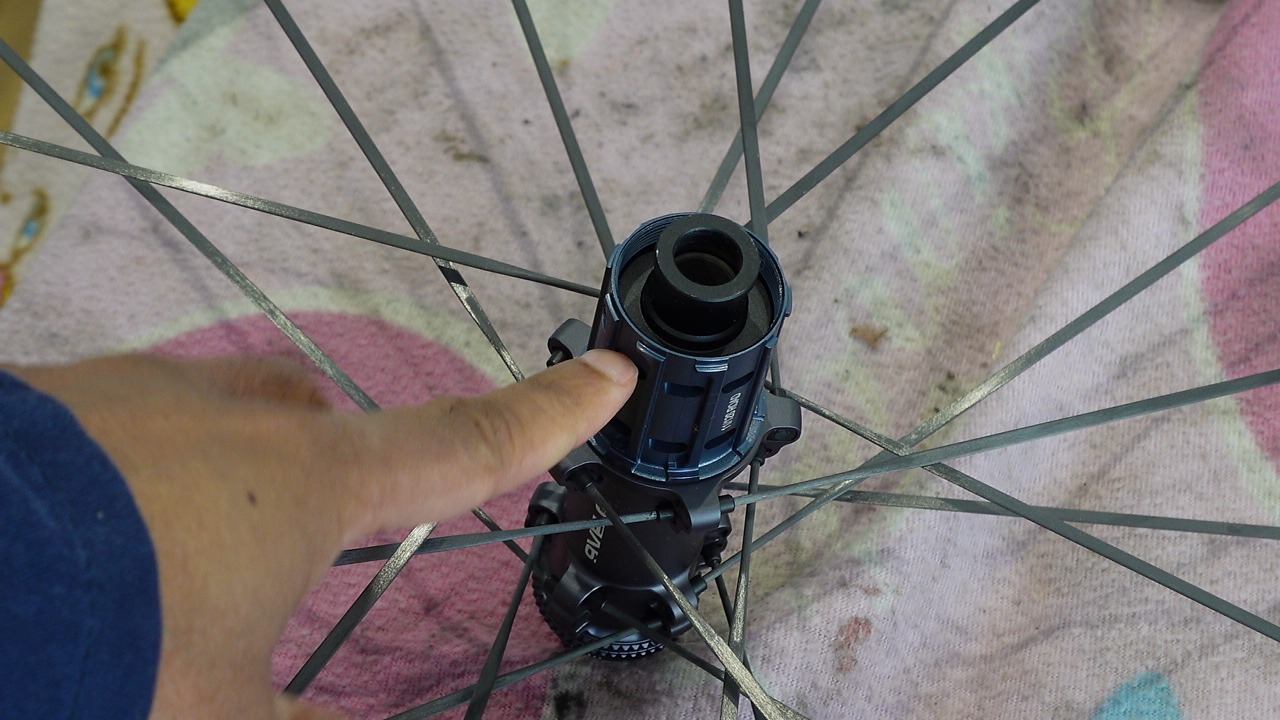
The first thing that stands out is the hub assembly. 9Velo are using a H Works hub, which is one of the better hub systems currently available in the cycling industry. Unlike many modern “premium” hubs, which attempt to differentiate themselves with increasingly unnecessary complexity, this design focuses on machining quality, dimensional control and mechanical simplicity.
The ratchet mechanism is extremely well executed. Engagement is positive without excessive drag and the machining tolerances throughout the hub are excellent. Bearing fits are particularly noteworthy because this is an area where many wheel manufacturers fail badly. Poor bearing fits create vibration, inconsistent preload conditions and premature wear, all of which negatively affect rolling efficiency and long term performance.
Here, the bearing alignment and concentricity are exceptionally good.
Runout measurements on the test wheelset were effectively zero. That may sound trivial to non engineers, but it has a significant influence on vibration behaviour, balance quality and overall ride feel. Most bicycle wheels are nowhere near this level of dimensional accuracy. In fact, many high end wheelsets costing several thousand pounds more are considerably worse.
The sealing arrangement is also intelligently designed. There is a low drag seal arrangement integrated into the freehub assembly with a wave spring configuration that maintains consistent engagement pressure while minimising unnecessary friction. Again, this is an example of actual engineering rather than decorative marketing.
A major problem with ultra lightweight wheelsets is rotor dynamics.
This is the area where many cycling reviews become technically useless because the discussion rarely moves beyond “it feels fast”. As rotating systems become lighter, they become increasingly sensitive to imbalance and excitation frequencies. The acceptable balance tolerance becomes tighter as mass decreases. Critical speeds reduce. The likelihood of vibration related instability increases. This is why many extremely lightweight wheelsets feel nervous or unstable at speed despite appearing impressive on a scale.
The 9Velo Xtreme performs unusually well in this regard.
The measured imbalance is very low and the wheel displays excellent stability characteristics considering its mass. Spoke tension consistency is also very good. There is minor variation, which is inevitable in any hand assembled structure, but overall tension distribution is far better than average. Combined with the low runout and accurate hub geometry, the result is a wheelset that feels mechanically coherent rather than fragile or nervous.
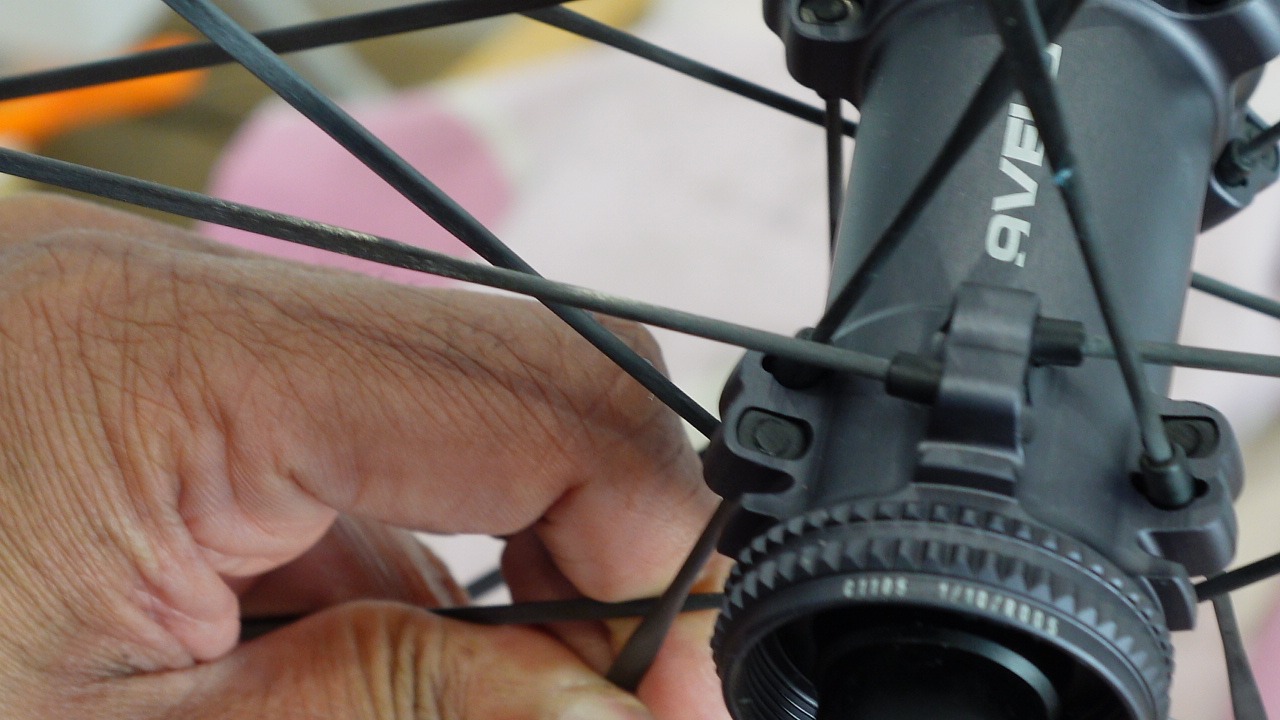
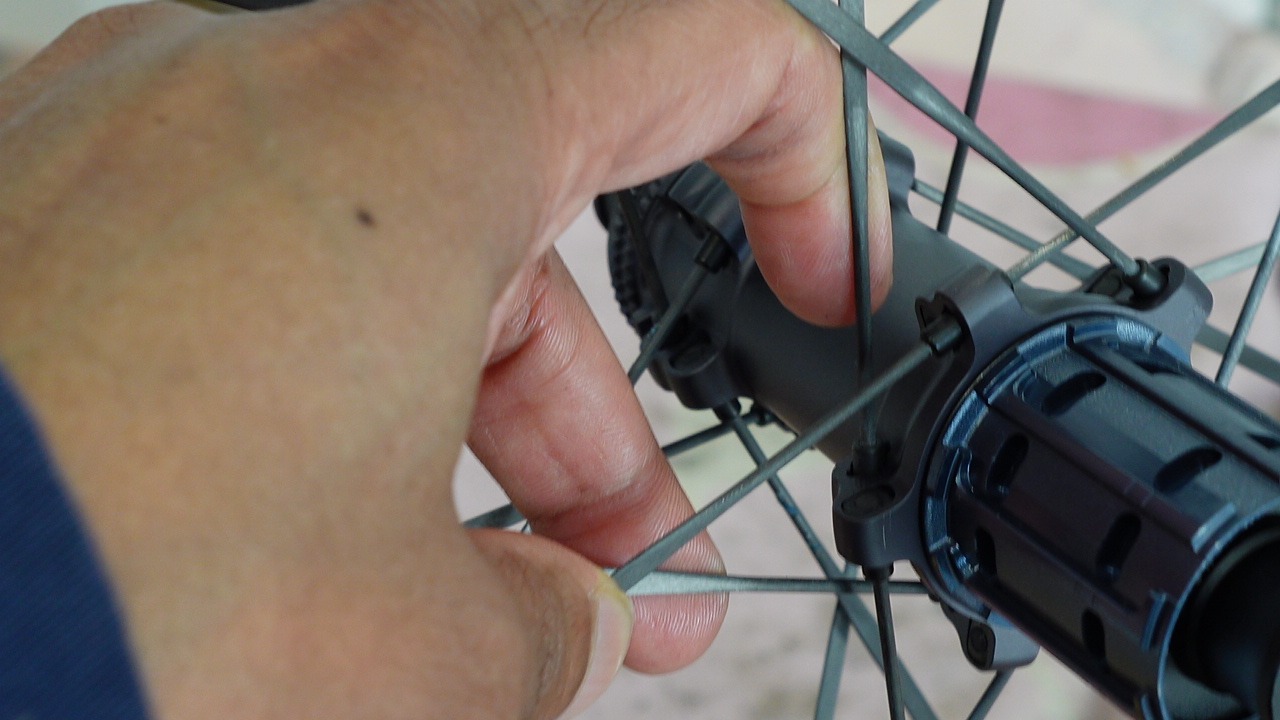
The carbon spoke arrangement also deserves attention. Many carbon spoke systems prioritise aesthetics over functionality, but the layout here is mechanically sensible. The spoke geometry avoids interference between adjacent spokes and the T head arrangement prevents spoke rotation during tensioning, which simplifies assembly and improves long term stability. The spokes themselves are not excessively deep, which helps avoid some of the handling issues seen in more aggressive aero spoke profiles.
Weight reduction has clearly been approached intelligently rather than recklessly.
Instead of simply thinning everything until failure becomes inevitable, 9Velo appear to have removed mass strategically from areas where the rotor dynamic penalties are lower. The hub shell is lightweight but still structurally sensible. The carbon spokes reduce rotational inertia significantly. The rim construction uses a higher strength resin system and optimised laminate schedule to reduce mass without creating an obviously compromised structure.
The effect on acceleration is immediately noticeable.
Rotational inertia has a far greater effect on perceived responsiveness than static bicycle mass, particularly during repeated acceleration events such as exiting corners or climbing on variable gradients. Compared with a conventional “lightweight” wheelset in the 1200 to 1400 gram range, the reduction in inertia here is dramatic. The bike changes direction faster and responds more aggressively to power input.
Some riders may actually dislike this behaviour because it makes handling sharper and more immediate. A bicycle that previously felt stable and calm can suddenly feel highly reactive. Personally, I think this improves the riding experience considerably, but it does depend on rider preference and riding style.
Aerodynamically, the wheel profile is also very good.
This is another area where the cycling industry frequently descends into complete nonsense. Many wheel manufacturers obsess over deep section profiles while ignoring airflow quality and pressure recovery behaviour. The front wheel has an enormous effect on the aerodynamic performance of the entire bicycle because it conditions the airflow before it reaches the frame and rider. If the airflow separates badly at the wheel, the rest of the bike is already operating in disturbed flow conditions.
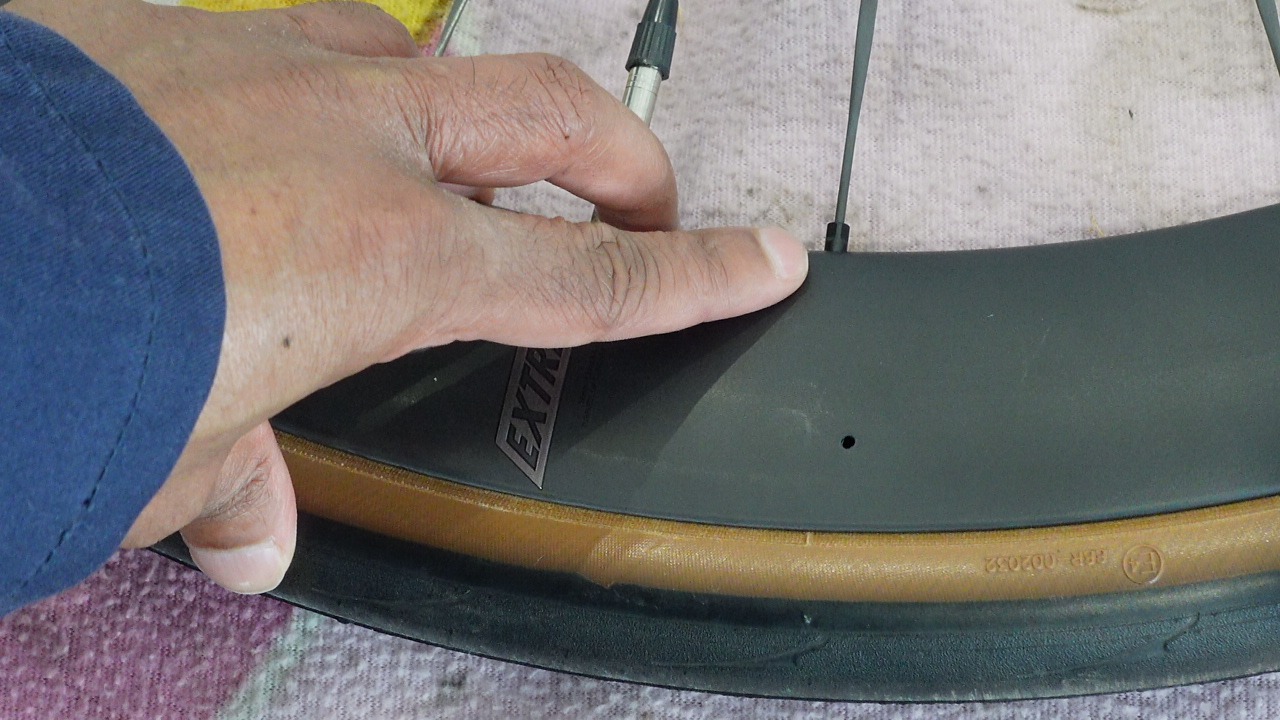
The rim transition shaping on the 9Velo is excellent. The profile maintains attached airflow effectively and avoids the abrupt geometric transitions that often create unnecessary pressure losses. There are no gimmicks here. No dimples. No decorative surface textures pretending to be aerodynamic science. Just a clean, mechanically sensible rim profile with very good surface quality.
One of the more amusing aspects of this wheelset is the price positioning relative to the rest of the market.
There are now several western brands selling wheels at three or four times the cost of the 9Velo while offering objectively worse engineering. Many of these products are still manufactured in China anyway, despite the marketing heavily implying otherwise. The customer is effectively paying for branding, sponsored athletes and social media aesthetics rather than meaningful engineering improvements.
That is becoming increasingly difficult to justify when products like this exist.
The uncomfortable reality for many established brands is that manufacturing capability in China has improved dramatically over the last decade while much of the western cycling industry has continued relying on lifestyle marketing and superficial innovation. The gap in engineering quality is no longer where many people assume it is.
The 9Velo Xtreme is probably one of the clearest examples of this shift.
It is not a perfect wheelset. The extremely low mass inevitably introduces certain trade offs and there is still a recommended system weight limit that heavier riders should consider carefully. Long term durability data is also naturally more limited than on heavier conventional wheelsets simply because products at this weight level are still relatively uncommon.
However, as a complete engineering package, it is remarkably convincing.
The balance quality is exceptional.
The rotor dynamics are excellent.
The hub design is genuinely impressive.
The aerodynamic behaviour is well thought out.
The manufacturing accuracy is unusually good.
Most importantly, it feels like a product developed by engineers rather than a marketing committee.
That distinction matters because physics eventually exposes bad engineering no matter how expensive the branding becomes.
The 9Velo Xtreme succeeds because it concentrates on the fundamentals instead of pretending to reinvent them.
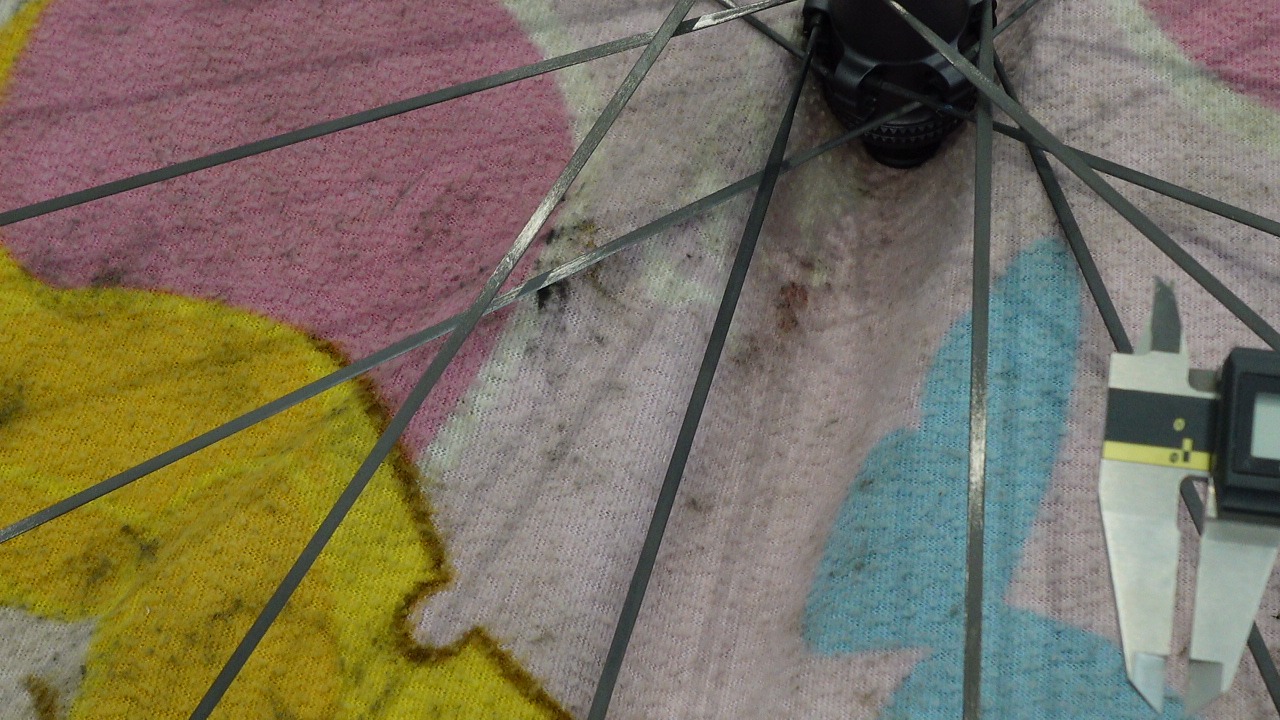
What do you think of the 20 spokes hub with 1:1 lacing (especially regarding lateral stiffness)? Is it worse than 2:1 (more spokes on drive side)?
I’ve had no issues with it and I don’t think there is a better test than a field test. My friend who is fat also used them and reported no issues.
I’ve been riding C52s since April 2026. 28mm GP5000s expand to 30mm on them which closely matches the rim width. It’s difficult to quiet the freehub with grease for more than a few days. The acceleration improvement is palpable. I’ve only had tubular wheels come close to the weight of these, but those had narrow/shallower rims. The most disconcerting part of riding them is their sensitivity to wind gusts. I’m guessing that this is because they are less effective gyroscopes than heavier wheels of the same depth. Overall though, I’ve no regrets and I’m put lots of kms on them.